Legendary Machines
Explore the legendary machines that defined retro gaming.
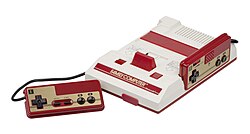
NES
Nintendo / 1983-1995
Released by Nintendo in 1983, the Famicom (NES) sold over 61 million units worldwide. It launched iconic franchises like Super Mario Bros., Dragon Quest, and Final Fantasy, establishing the foundation of the modern video game industry.
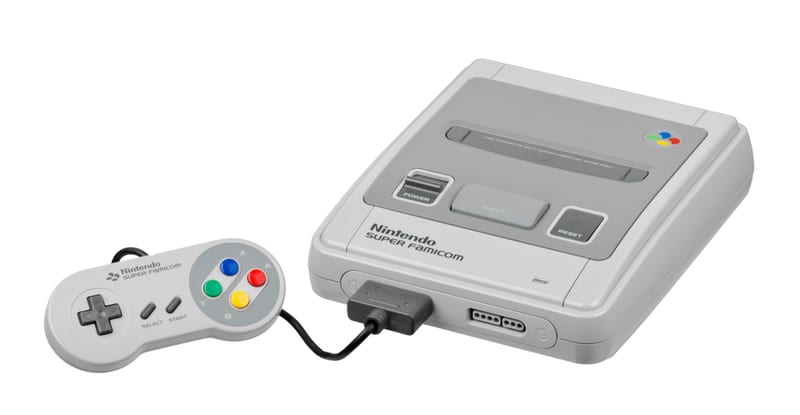
SNES
Nintendo / 1990-2003
Nintendo's 16-bit successor to the NES, released in 1990. With Mode 7 graphics and enhanced audio, it delivered unforgettable experiences including Chrono Trigger and The Legend of Zelda: A Link to the Past.
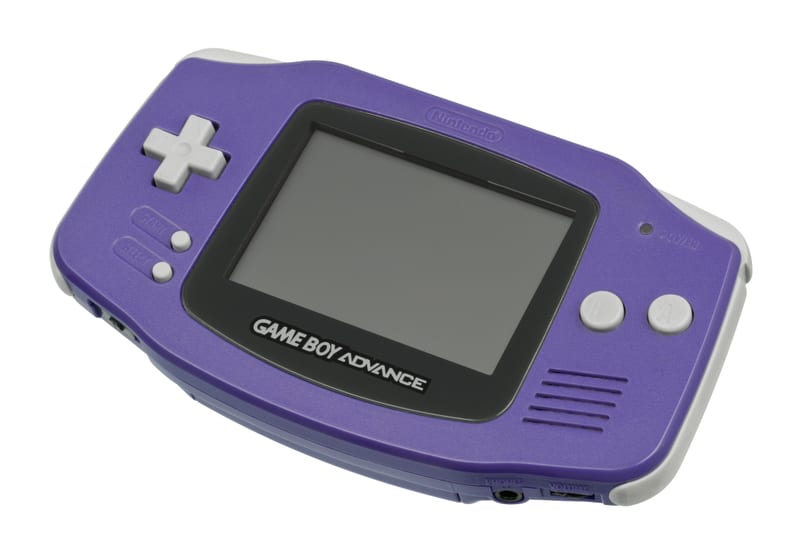
Game Boy Advance
Nintendo / 2001-2008
Nintendo's 32-bit handheld released in 2001, bringing SNES-quality gaming on the go. It sold over 81 million units worldwide, with hits like Pokemon Ruby/Sapphire and Fire Emblem.
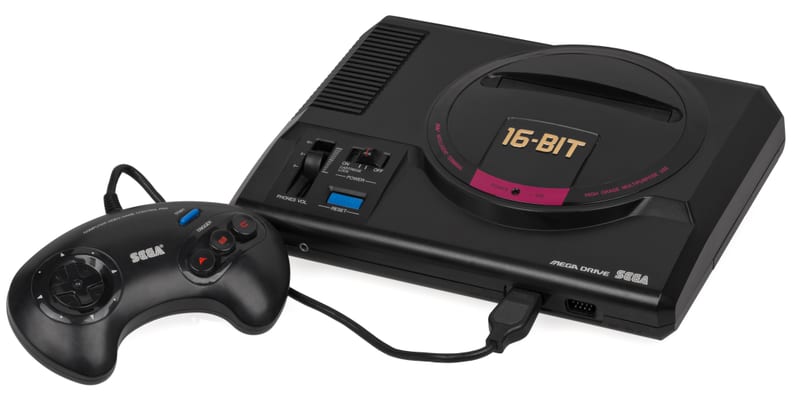
Mega Drive
SEGA / 1988-1997
Sega's 16-bit console released in 1988, known as Genesis in North America. Led by Sonic the Hedgehog, it challenged Nintendo's dominance and defined an era of fast-paced action gaming.
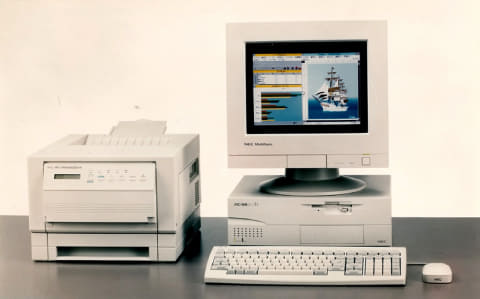
PC-9801
NEC / 1982-2003
NEC's iconic 16-bit PC released in 1982, once holding over 90% of the Japanese PC market. Its high-resolution 640x400 display and FM sound chip fostered a unique ecosystem of RPGs, visual novels, and strategy games.
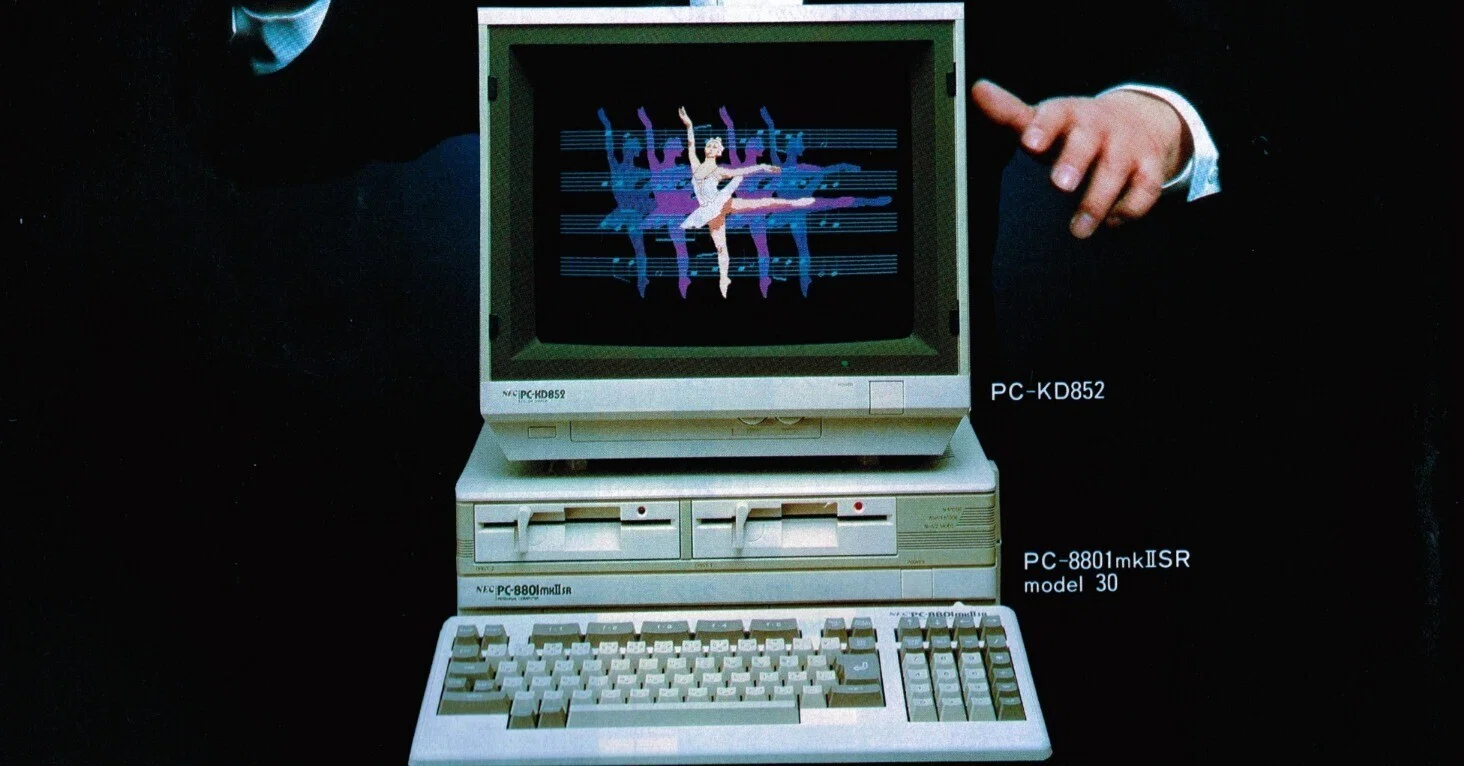
PC-8801
NEC / 1981-1995
NEC's 8-bit PC released in 1981. From the mkII SR onward, its FM sound chip delivered memorable music alongside 640x200 graphics. It was home to landmark titles like Xanadu, Ys, and Snatcher.
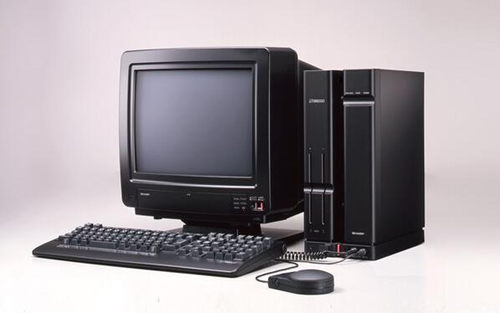
X68000
Sharp / 1987-1993
Sharp's 16/32-bit personal computer released in 1987, famous for its distinctive twin-tower design. Renowned for arcade-perfect ports of Gradius, Final Fight, and Street Fighter II, it earned its reputation as the ultimate hobbyist PC.
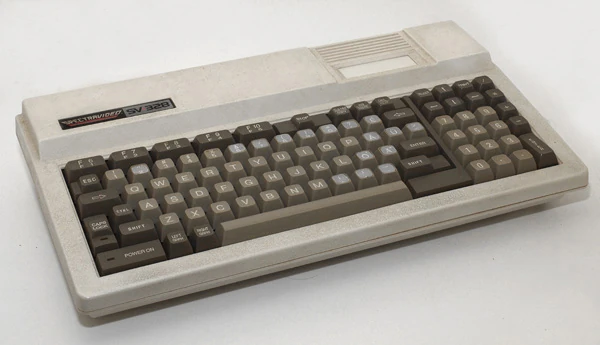
MSX
ASCII / Microsoft / 1983-1995
A unified 8-bit home computer standard proposed by ASCII and Microsoft in 1983. Multiple manufacturers produced MSX machines, and the platform boasted quality titles from Konami (Metal Gear, Gradius) and Hudson.
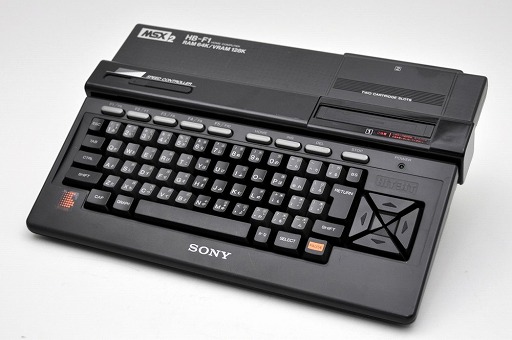
MSX2
ASCII / Microsoft / 1985-1995
The enhanced MSX standard from 1985, capable of displaying 256 colors simultaneously. It hosted impressive titles like Snatcher, Metal Gear 2, and Vampire Killer from Konami.
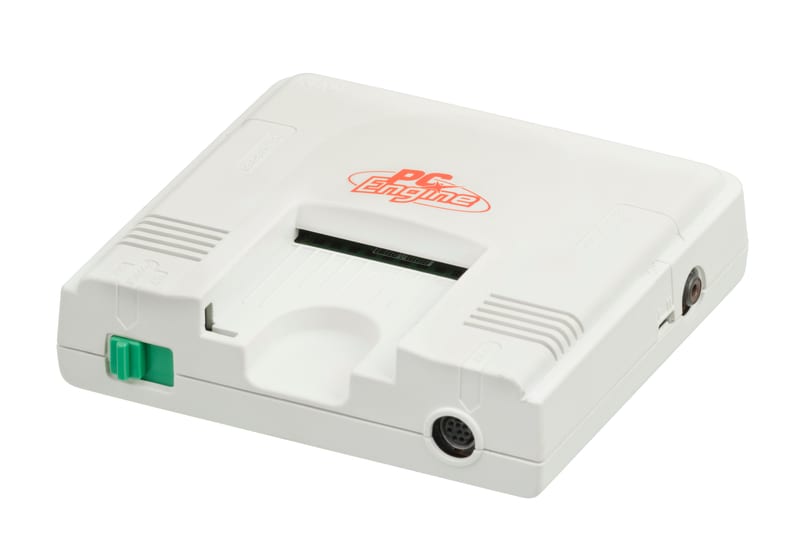
PC Engine
NEC Home Electronics / Hudson Soft / 1987-1994
Released in 1987 by NEC and Hudson, the PC Engine combined an 8-bit CPU with a 16-bit GPU for stunning graphics. Known as the TurboGrafx-16 abroad, it hosted arcade-quality ports and originals like Bonen Man, Ys I & II, and Tengai Makyou. It was the first home console to get a CD-ROM add-on.
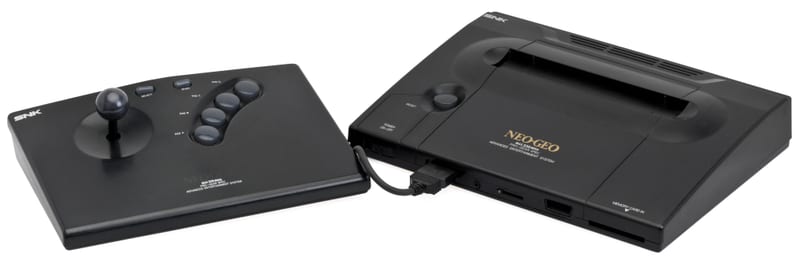
Neo Geo
SNK / 1990-2004
Released by SNK in 1990 as the first home system with true arcade-quality graphics, the Neo Geo AES was fully compatible with SNK's MVS arcade boards. Its $650 price tag and $200+ cartridges made it an elite platform, remembered for arcade-perfect fighters like Fatal Fury, King of Fighters, and Metal Slug.
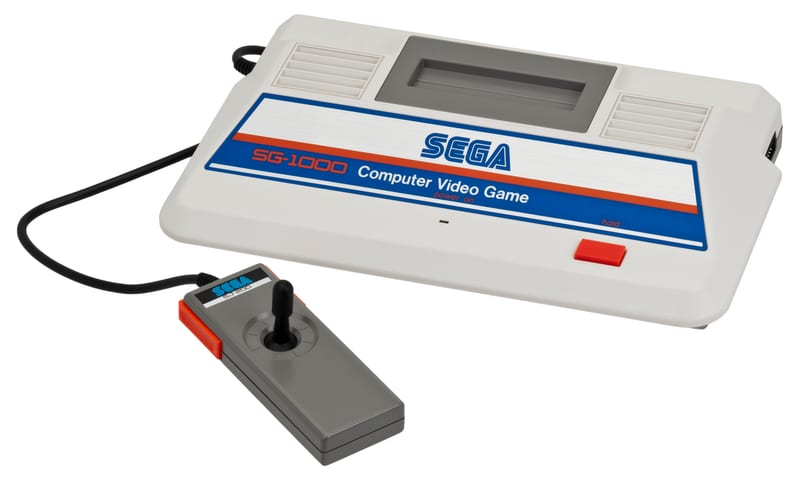
SG-1000
SEGA / 1983-1985
Sega's first home console, released July 15, 1983 — the same day as Nintendo's Famicom. Derived from the SC-3000 home computer, it launched with games like Congo Bongo and Girl's Garden. Though commercially dwarfed by the Famicom, it established the lineage that led to the Mark III and Mega Drive.
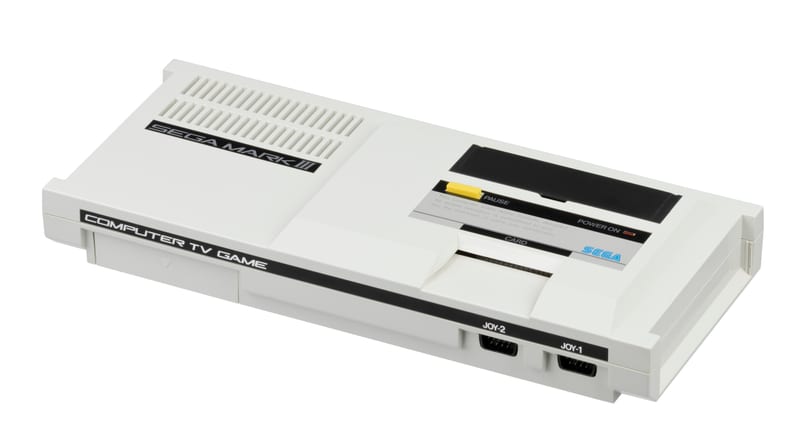
Sega Mark III
SEGA / 1985-1989
Sega's 1985 8-bit console, the final evolution of the SG-1000 line. Rebranded abroad as the Master System, it thrived in Europe and South America. Memorable titles include Phantasy Star, Alex Kidd, and R-Type. Its optional FM Sound Unit gave Japanese releases richer audio than anywhere else.
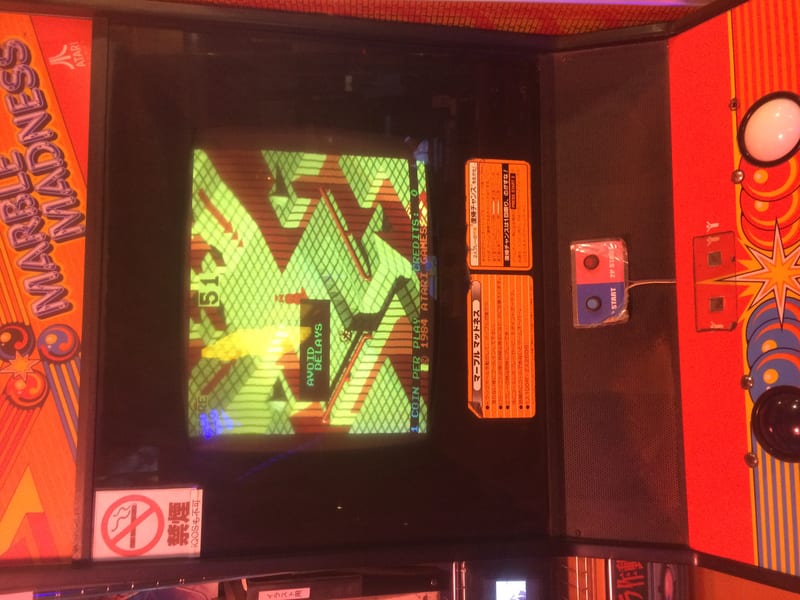
Arcade
各社 / 1971
A broad category covering the dedicated arcade boards that powered game centers from the 1970s onward. Legendary titles like Space Invaders, Pac-Man, Xevious, Street Fighter II, and Darius were all born on arcade hardware from Namco, Konami, Capcom, SNK, Taito, and Sega, delivering experiences that home consoles of the era simply could not match.

Game Boy
Nintendo / 1989-2003
Nintendo's 1989 handheld console. With Tetris, Pokemon, and Kirby leading the way, plus impressive battery life, it sold over 118 million units worldwide and laid the foundation for portable gaming culture.

Nintendo 64
Nintendo / 1996-2003
Nintendo's 1996 64-bit console. Super Mario 64 and The Legend of Zelda: Ocarina of Time redefined 3D gameplay, while the revolutionary analog stick controller established conventions still used in modern 3D gaming.